We ship Himalayan salt from Karachi and Port Qasim to buyers in 45 countries across Europe, North America, the Middle East, Asia, Africa, Oceania, and South America. Every market has its own import authority, its own labelling rules, its own certification requirements, and its own transit time. The pages below set out what applies in yours, so the documentation is right before the container is booked rather than after it arrives.
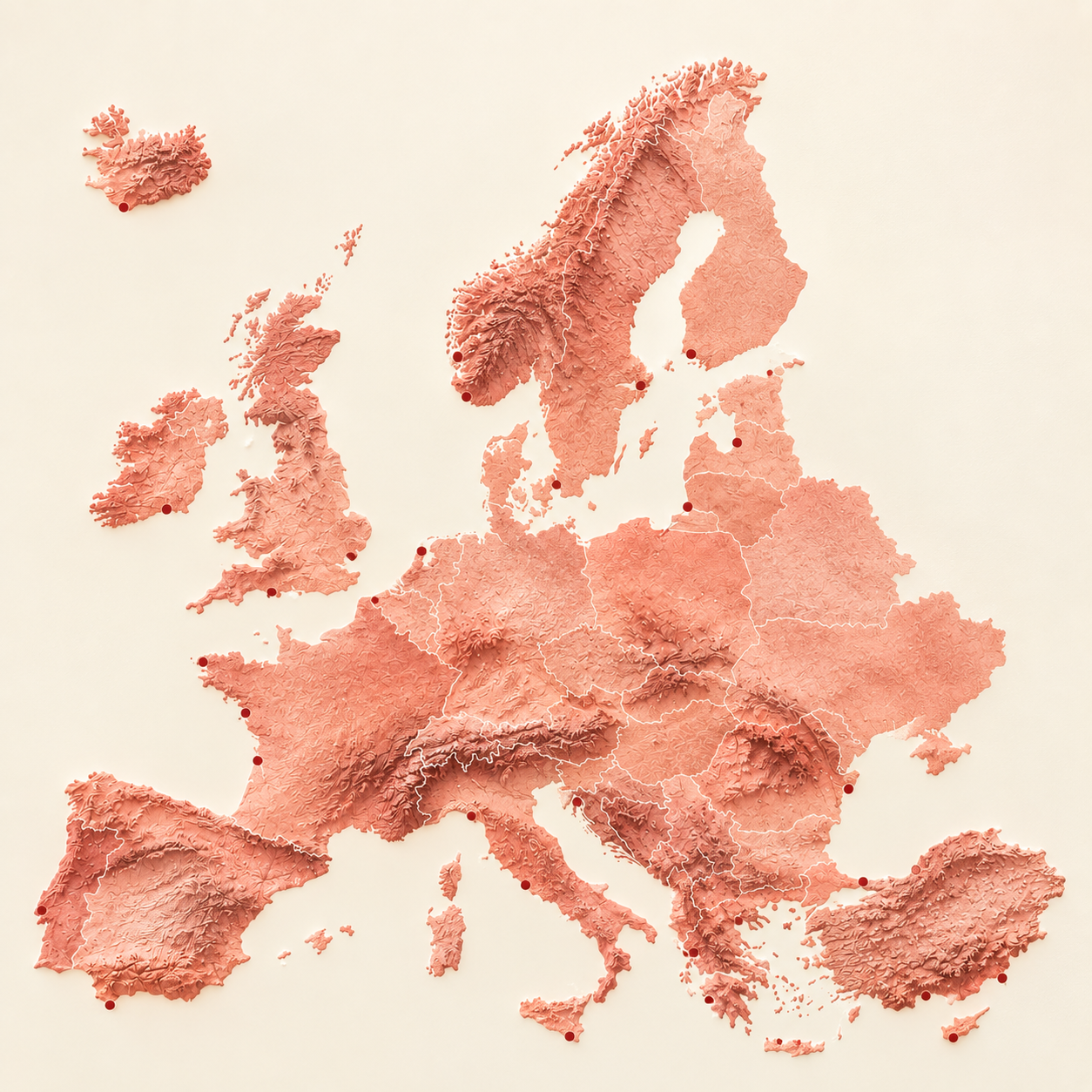
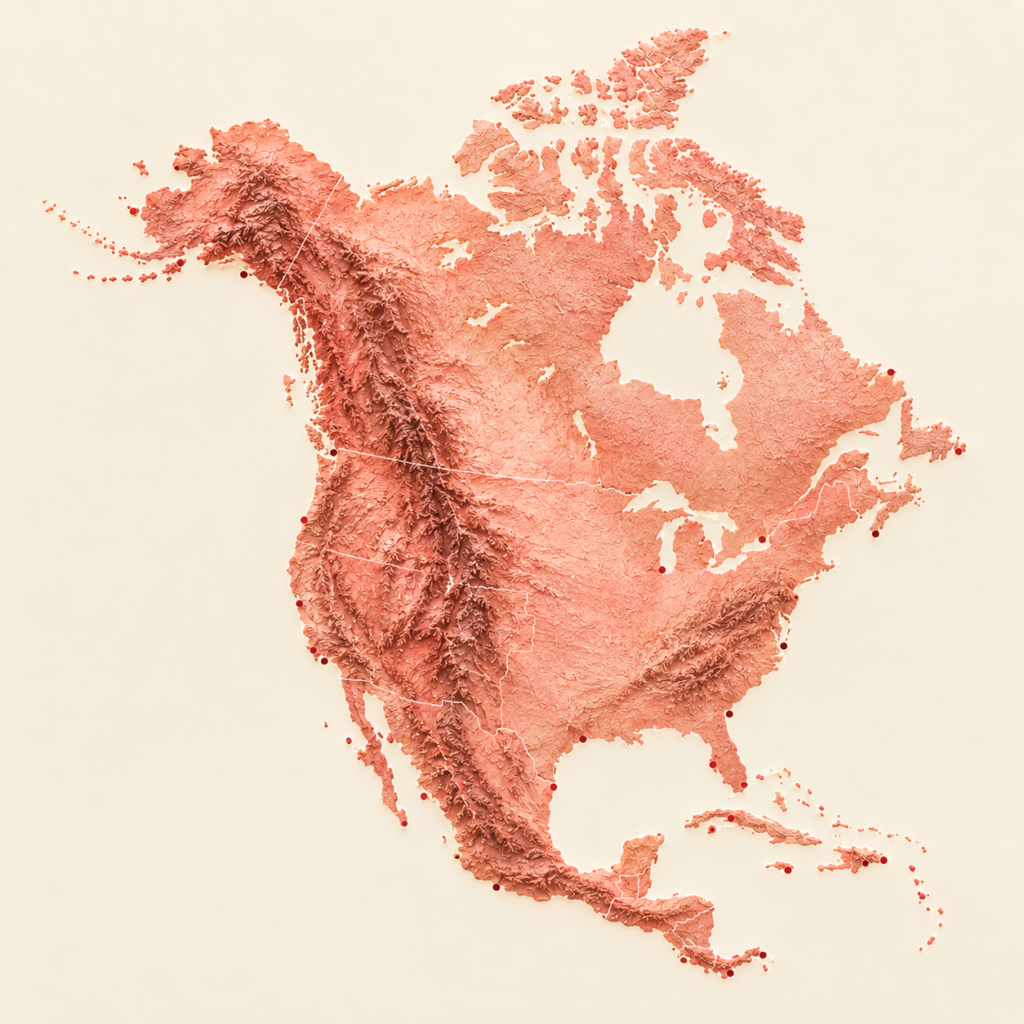
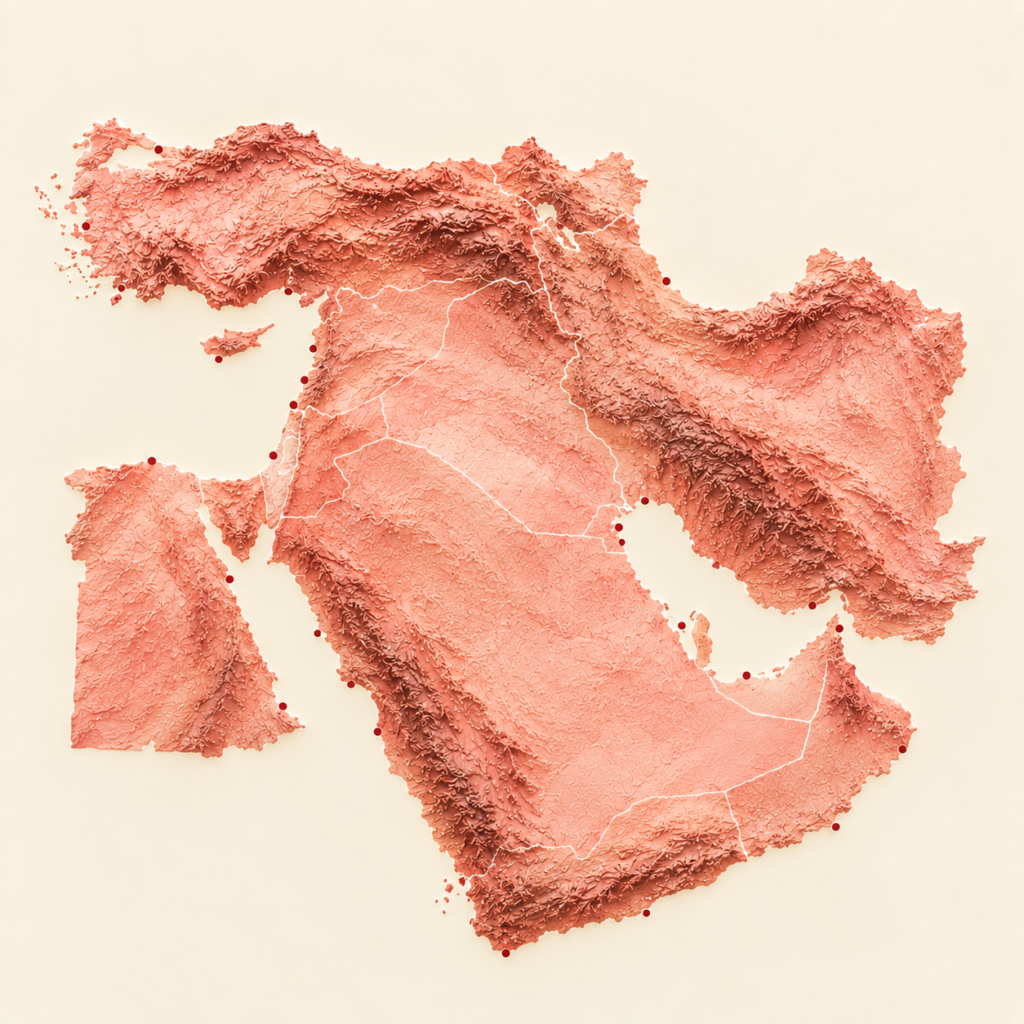
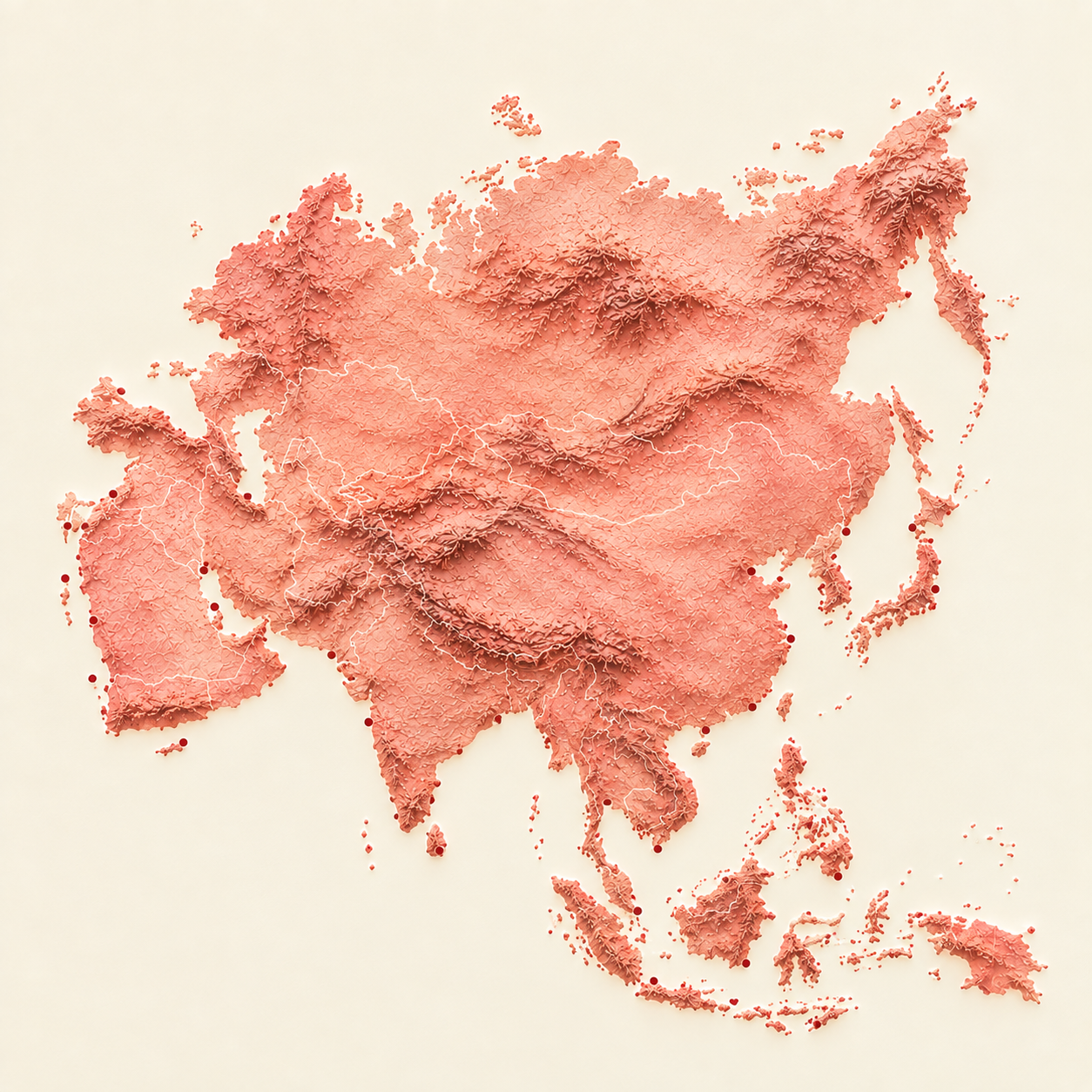
Europe is our largest regional grouping and benefits from Pakistan’s GSP+ status, which gives qualifying origin goods duty-free access to the EU. North America runs on FDA and CFIA registration with its own labelling regimes. The Gulf combines Halal requirements with short transit times from Karachi. Asia spans the strictest testing regimes we encounter alongside some of the shortest shipping routes. Oceania applies biosecurity rules that catch suppliers unprepared for timber and packaging inspection. Africa and South America are growing markets with market-specific registration requirements.
The salt is the same. What changes between markets is who regulates it, what they require before it clears, and what has to appear on the label once it does. A container that ships perfectly into Rotterdam can sit at a port in Jeddah or Busan because a registration that was never mentioned at the quotation stage turns out to be mandatory.

We ship from Karachi Port and Port Qasim, both of which carry direct services to the major container routes. Transit times vary considerably by destination, and they matter more than buyers usually expect — a market seven days away can be restocked reactively, while one running forty days has to be forecast.
| Destination Region | Typical Transit from Karachi |
|---|---|
| Gulf (Jebel Ali, Jeddah, Dammam) | 5–10 days |
| South & Southeast Asia (Colombo, Singapore, Manila) | 7–18 days |
| Europe (Rotterdam, Hamburg, Felixstowe, Genoa) | 20–30 days |
| East Asia (Shanghai, Busan, Yokohama) | 20–30 days |
| North America East Coast (New York, Montreal) | 28–38 days |
| North America West Coast (Los Angeles, Vancouver) | 30–40 days |
| Oceania (Sydney, Melbourne, Auckland) | 25–35 days |
| South America (Santos, Manzanillo, Cartagena) | 35–45 days |
Landed cost is decided as much by container loading efficiency as by unit price, particularly for chunks, lamps, and construction material, where shape wastes volume. We will model loading for your specific product and route before you commit.
United Kingdom · Germany · France · Netherlands · Spain · Italy · Poland · Sweden · Denmark · Switzerland · Greece · Bulgaria · Romania · Malta · Albania · Kosovo
United States · Canada · Mexico
United Arab Emirates · Saudi Arabia · Kuwait · Bahrain · Lebanon · Libya
Japan · South Korea · China · Taiwan · Singapore · Philippines · Thailand · Vietnam · Cambodia · Sri Lanka · Kazakhstan · Mongolia · India
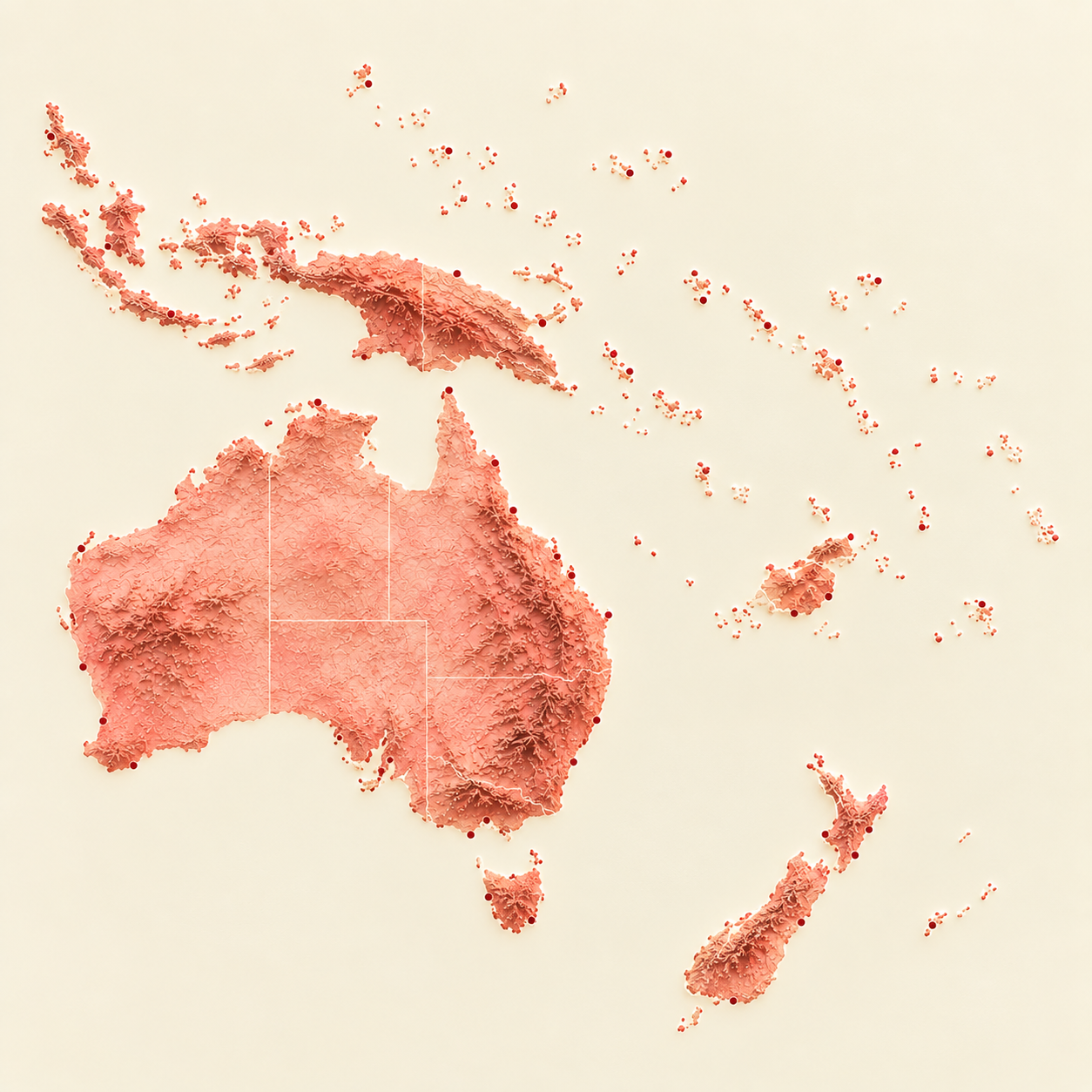
Australia · New Zealand
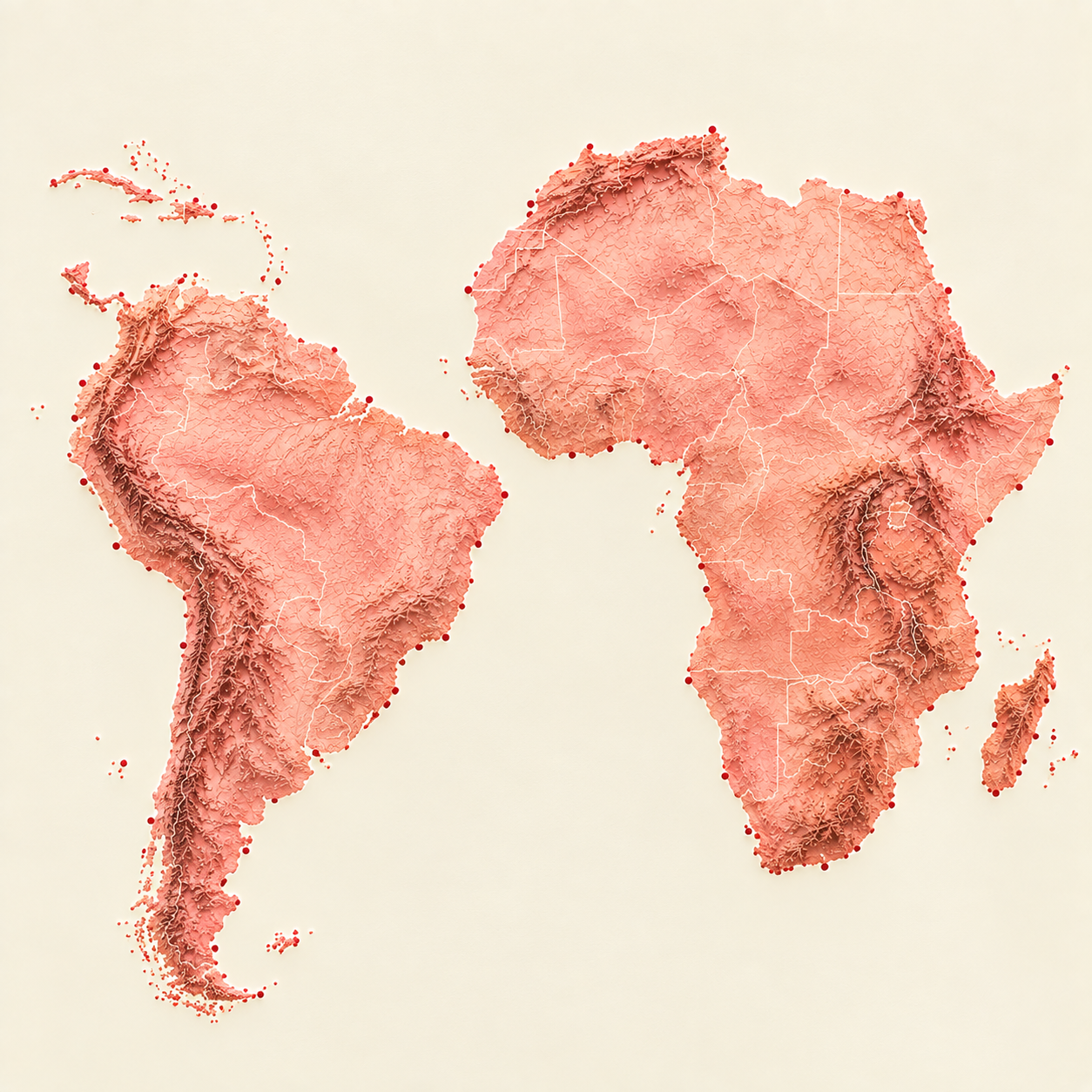
Egypt · Morocco · Brazil · Colombia · Ecuador
Most buyers approach us already knowing their market. Some are evaluating two or three and want to know which is simplest to enter, which is a fair question and one we can answer usefully.
Broadly, the Gulf and Southeast Asia are the fastest to open — short transit, straightforward registration, and Halal documentation we already hold. Europe takes longer to set up but benefits from GSP+ duty treatment once running. North America requires facility registration ahead of a first shipment. East Asia has the most demanding testing regimes and rewards suppliers who can produce lab evidence rather than assertions.
Product choice matters as much as market choice when opening somewhere new, and the two interact. Lamps carry electrical and biosecurity requirements that edible salt does not, so a first shipment of lamps into Australia involves more preparation than a first shipment of bulk salt into the Netherlands. Bath and cosmetic products bring a separate regulatory regime with a named responsible person in the destination market. Bulk food-grade salt is generally the simplest first move almost anywhere, which is why most buyers open with it and add categories once the lane is established.
Tell us where you are considering and we will set out what each would actually involve — including where we would advise starting somewhere else first.

WhatsApp us