
Solid-cut Himalayan mineral licks supplied in bulk to feed merchants, agricultural distributors, equestrian retailers, and livestock cooperatives. Cut from solid rock rather than pressed from powder with a binder, so blocks erode evenly and survive a wet season in an open field. Additive-free and suitable for organic and certified-natural livestock programmes, in weights from 1kg to 20kg, shipped on pallets configured for your handling.
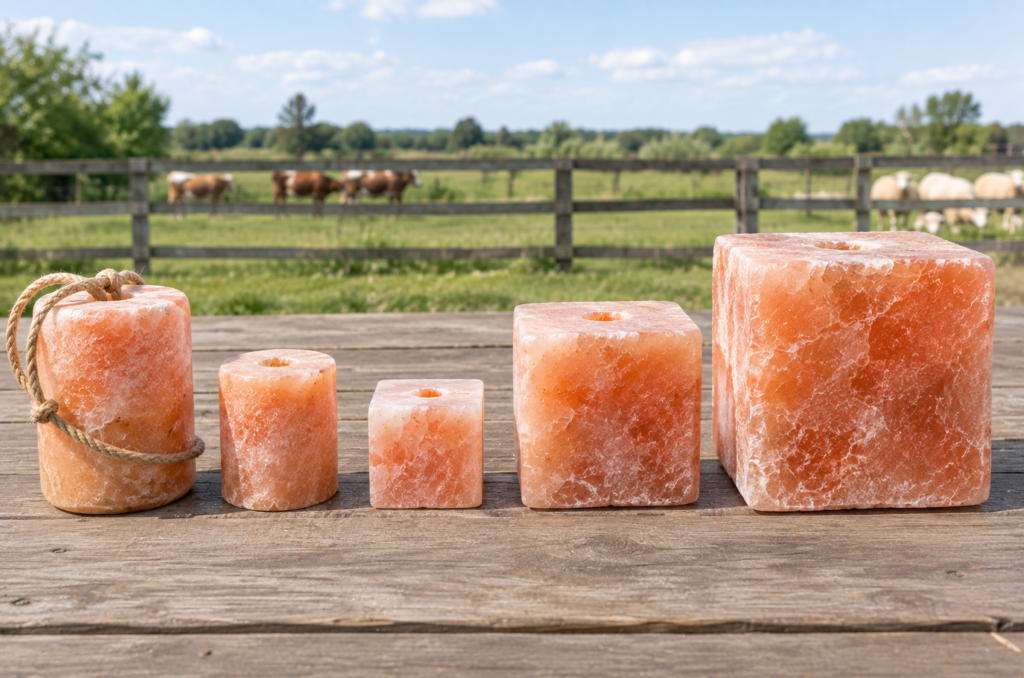
Five formats covering the main livestock applications. Rope-hung blocks suit stables and loose boxes where the lick must stay off the ground and out of bedding. Free-standing blocks are the volume line for pasture and feedlot use. Drilled blocks accept standard holders and brackets for fence and wall mounting. Small equine licks serve the equestrian retail channel, where unit margins are highest and presentation matters. Bulk pallet loads are the format most agricultural wholesalers actually order in.
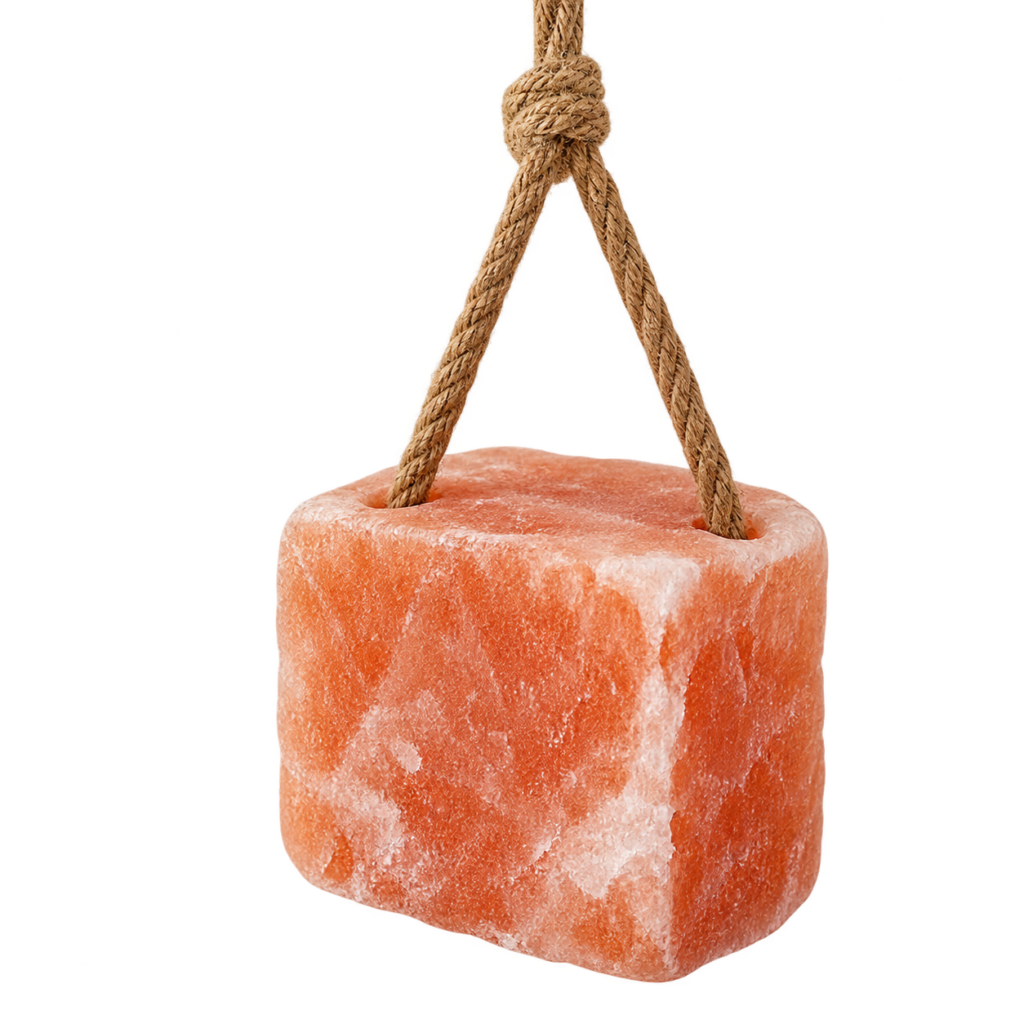
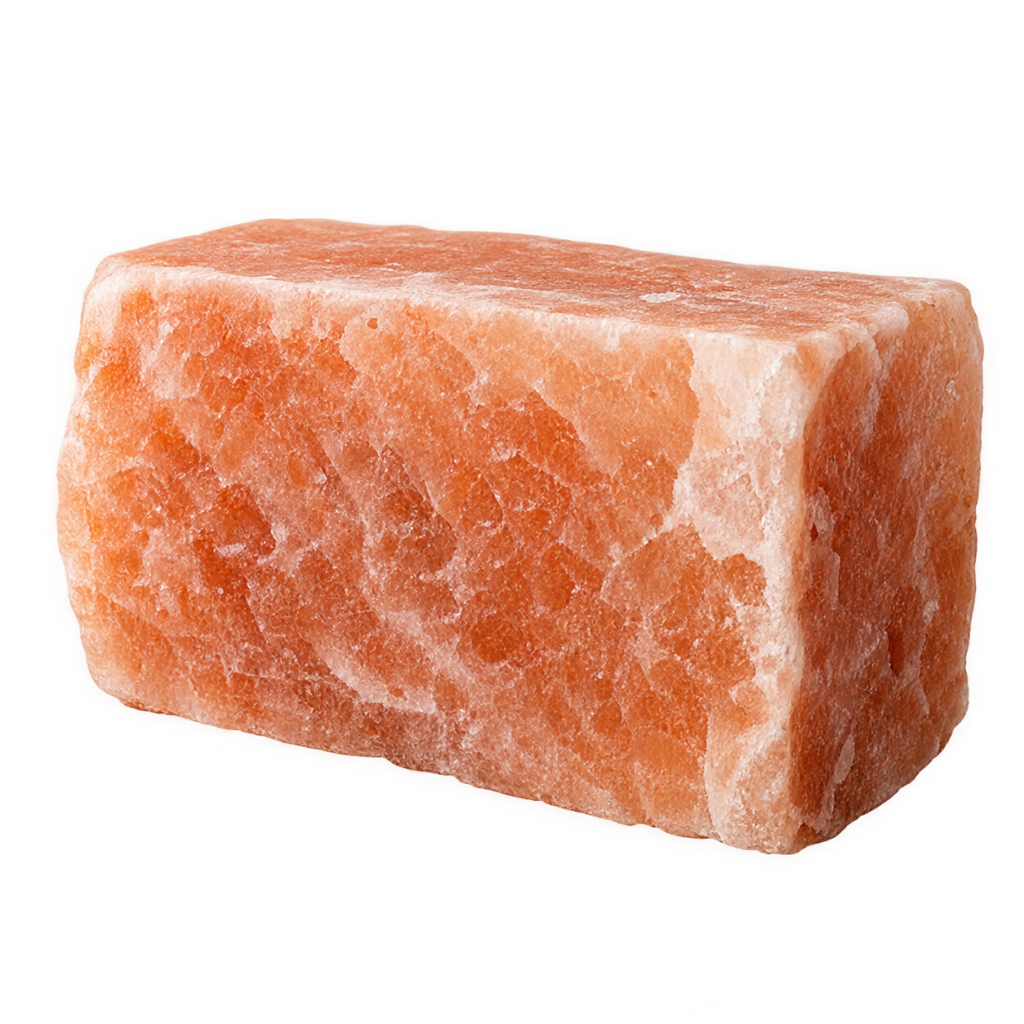
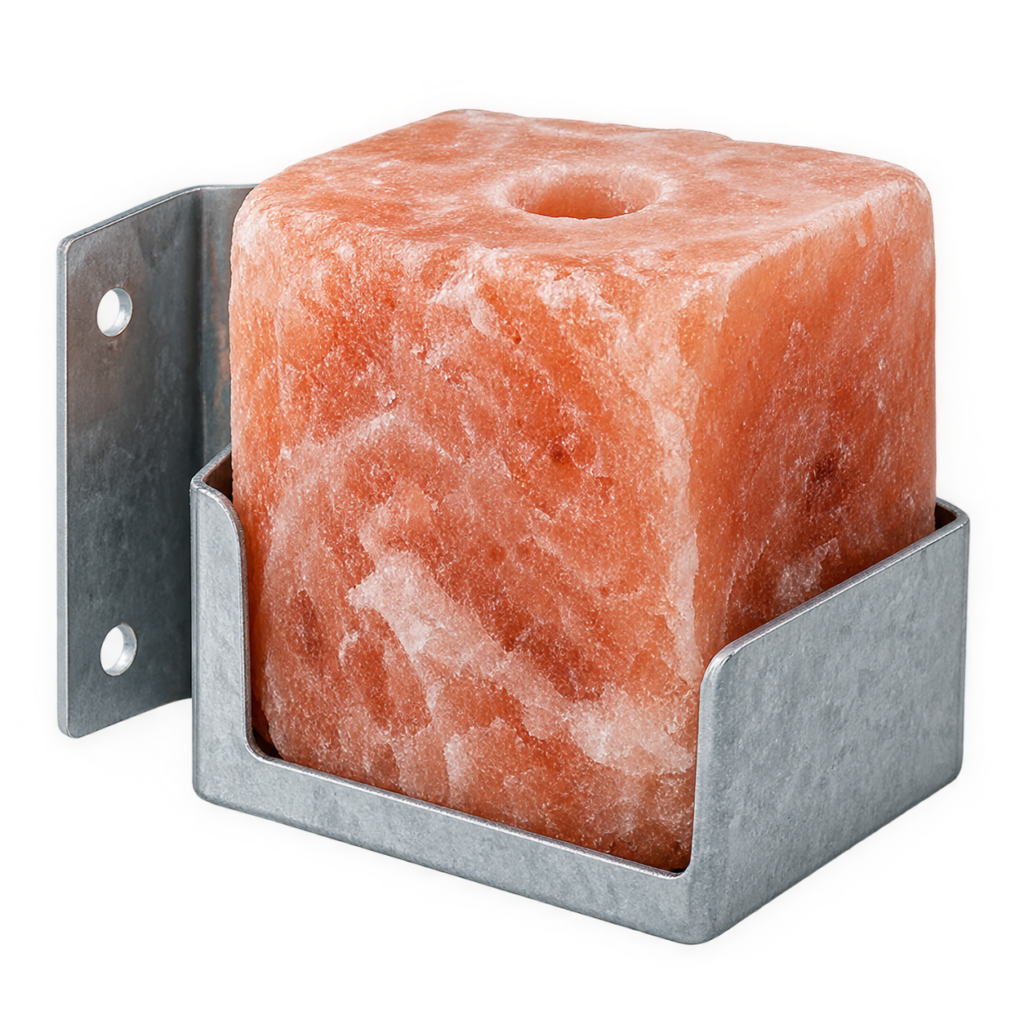
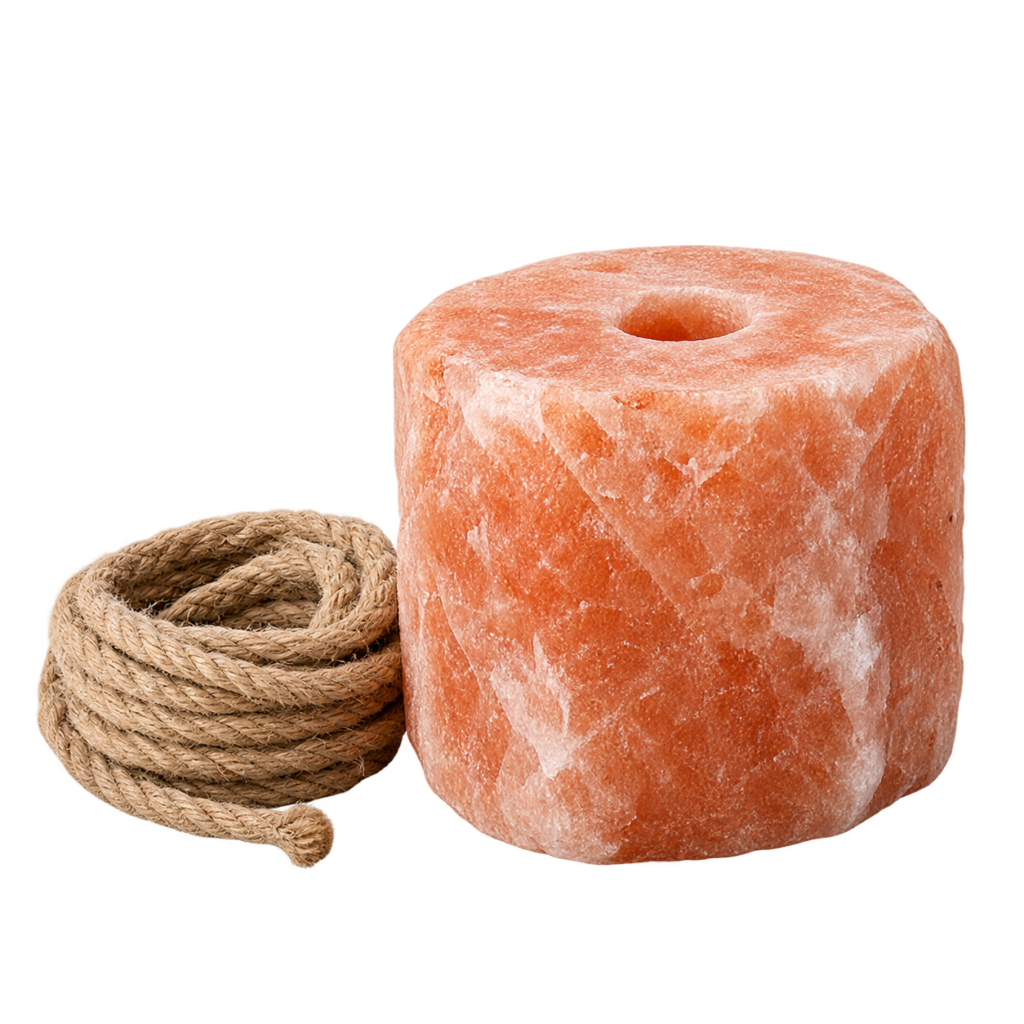
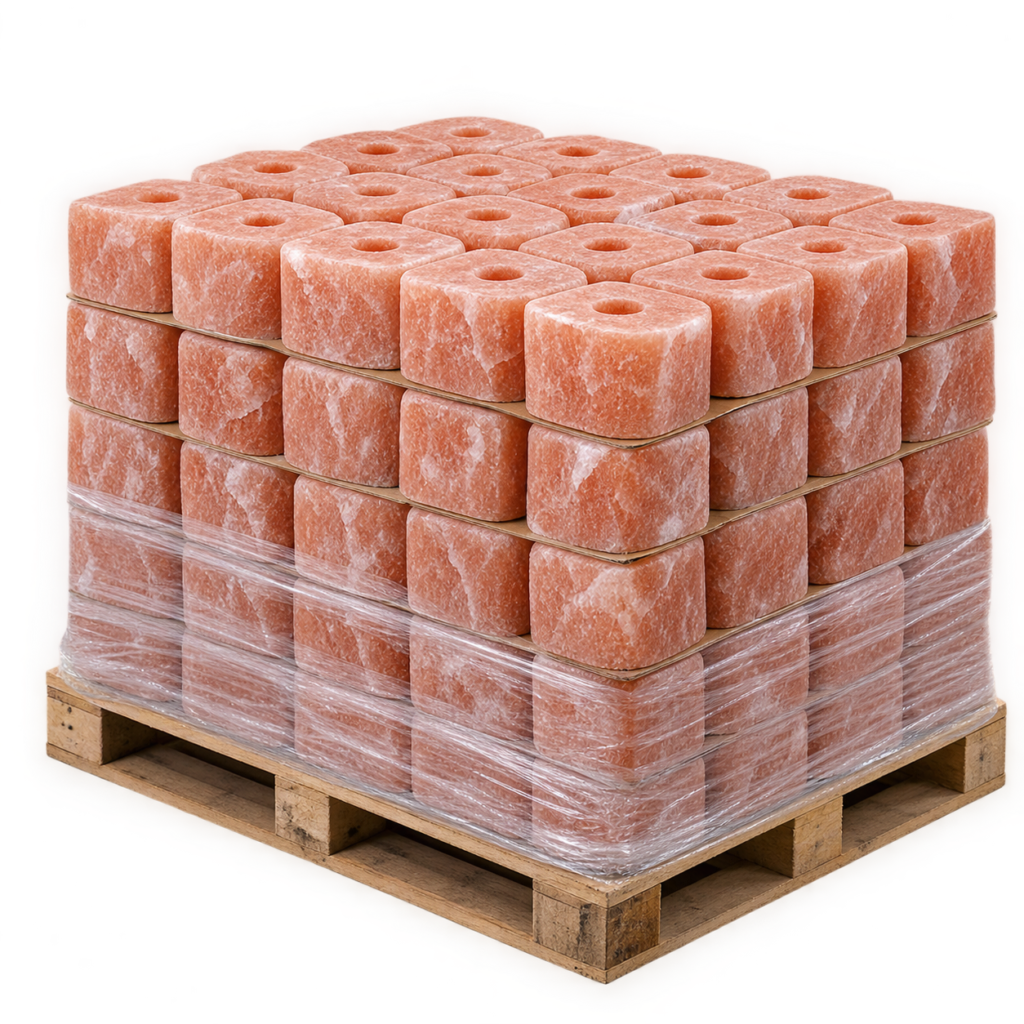
Most licks on the market are compressed from powdered salt with a binding agent. Ours are cut from solid rock, and the difference shows in the field rather than on a spec sheet.
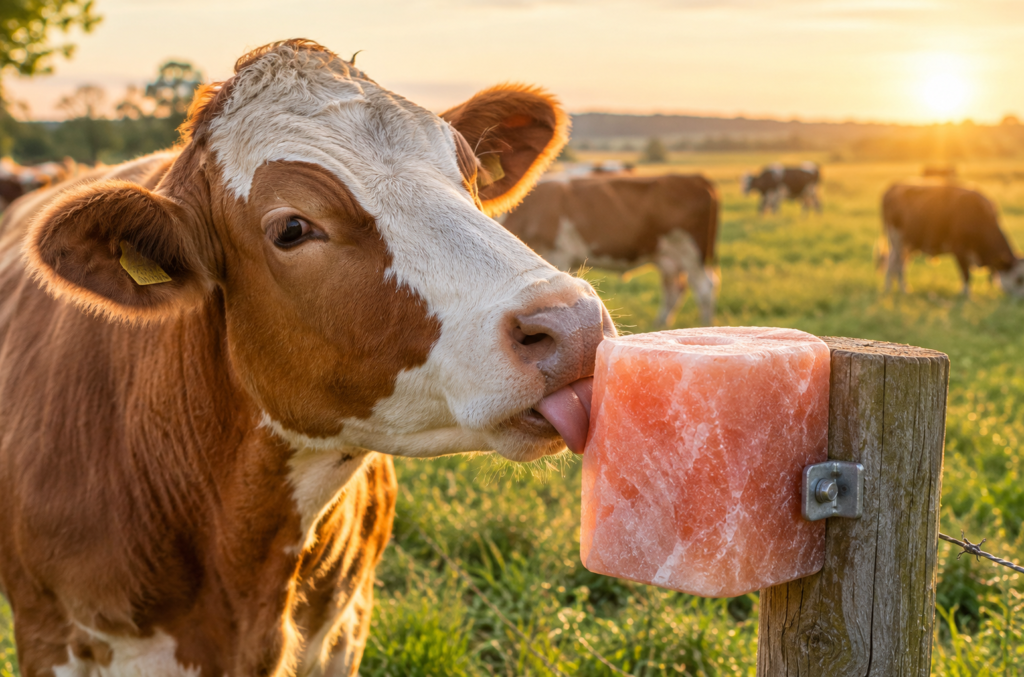
The animal lick market is served poorly almost everywhere, and the reason is that it is treated as a price line rather than a product. Livestock producers want a block that lasts, that animals actually use, and that does not turn to slush in the first heavy rain. What most distributors can source is a pressed block built down to a cost, which fails on all three counts and generates the complaints and credit notes that follow.
The failure is structural rather than incidental. A pressed block is powdered salt held together by a binder, and a binder that holds in a dry store does not necessarily hold in a wet field. Once water gets into the structure the block loses integrity and either crumbles into the mud or dissolves at several times the intended rate. The producer sees a block disappearing in a fortnight and concludes the product is poor value, which it is.
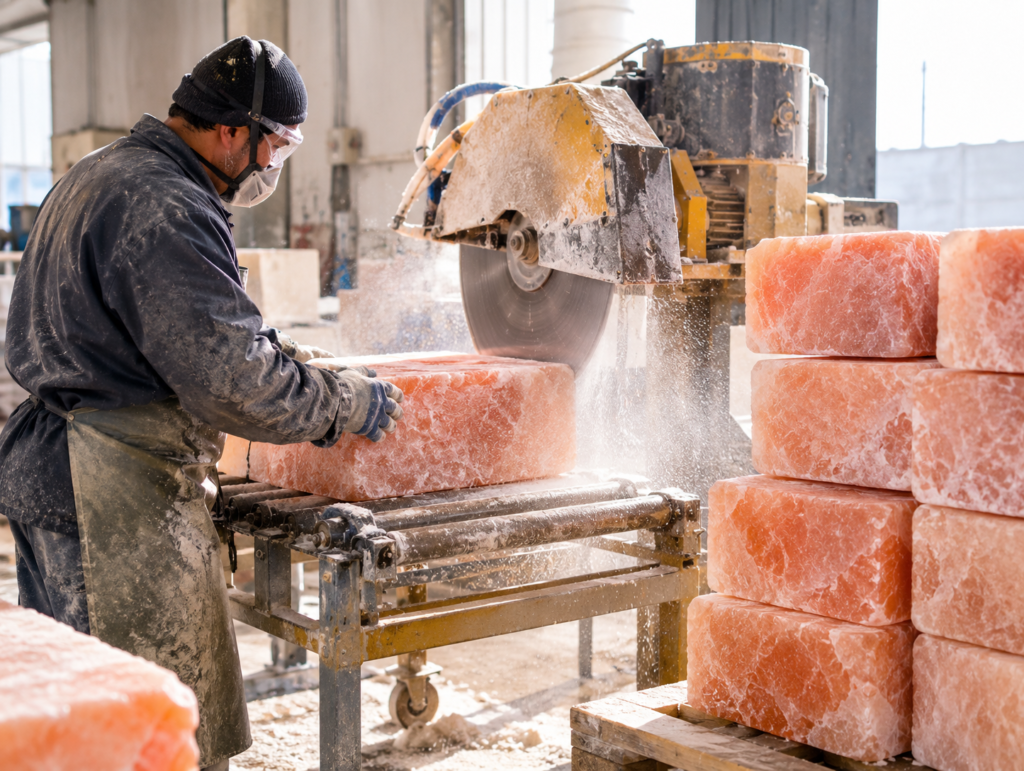
We cut licks from the same solid seams as our food-grade production. No powder, no binder, no filler. A solid block placed in a field erodes at a predictable rate, holds its shape through wet weather, and delivers trace minerals in the form animals seek out naturally. For your customers that means fewer replacements per season and a product that earns repeat purchase rather than a refund conversation.
Import documentation is the second thing that catches distributors new to this product. Animal feed and mineral supplements clear customs under a veterinary and feed-import regime in most markets, which is separate from the food-import regime and asks for different paperwork. Suppliers who have only ever shipped edible salt tend to send food-grade documentation and assume it will serve, and the shipment sits while the correct certificates are chased. We prepare feed-import documentation as standard, and where a destination requires a specific veterinary certificate we will confirm the requirement before the container is booked rather than after it sails.
We supply feed merchants, agricultural wholesalers, equestrian retail chains, veterinary suppliers, and livestock cooperatives across Europe, the Gulf, Central Asia, and Australasia.
Format selection is not cosmetic, and getting it wrong is the most common reason a distributor’s first order underperforms. A 2kg rope-hung lick that works well in a stable is consumed within days by cattle at pasture. A 20kg free-standing block in a horse yard is largely ignored because the animal cannot use it comfortably.
Climate matters as much as species. In high-rainfall regions a drilled block under a simple cover outlasts a free-standing one on open ground by a wide margin. In arid conditions with high intake, larger free-standing blocks make better economic sense. Tell us the species, the herd size, and the conditions, and we will recommend a format mix for a first order rather than shipping whatever is easiest to palletise. For distributors covering several climates across one territory, we will split a container across formats so each region receives what suits it rather than a single compromise specification.
WhatsApp us